
Optimal Scheduling for Window Installations
Scheduling Windows installations at optimal times can minimize disruptions and ensure a smooth process. Understanding seasonal and operational factors helps determine the most suitable period for upgrades or new setups.
Spring and fall often provide ideal weather conditions, reducing the risk of delays caused by extreme temperatures or weather events.
Timing installations during low-traffic periods or scheduled maintenance windows can prevent operational disruptions.
Performing installations when system updates and staff training are manageable ensures efficiency and reduces troubleshooting time.
Avoiding peak heat or cold months can prevent equipment issues related to temperature extremes.
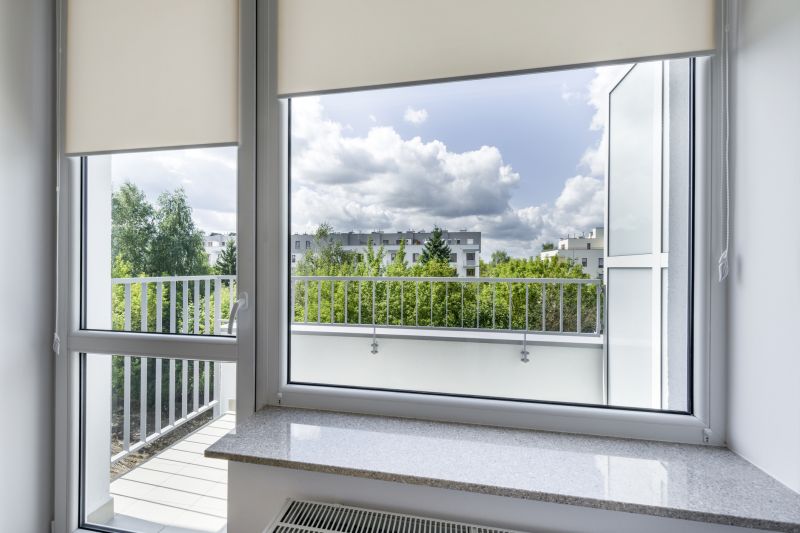
Spring offers moderate weather, ideal for outdoor and indoor installations.
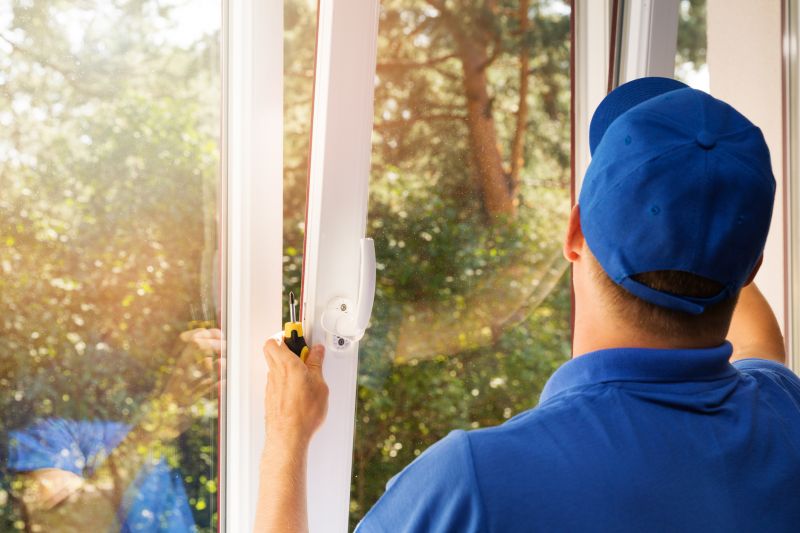
Summer can pose challenges due to heat, but with proper planning, installations can proceed smoothly.
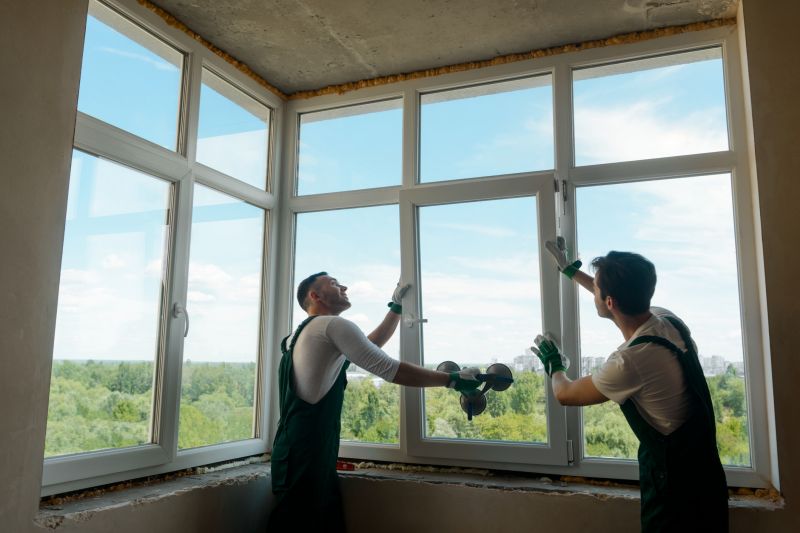
Fall provides cooler temperatures and less humidity, making it suitable for installations.

Ways to make Windows Installations work in tight or awkward layouts.

Popular materials for Windows Installations and why they hold up over time.

Simple add-ons that improve Windows Installations without blowing the budget.

High-end options that actually feel worth it for Windows Installations.

Finishes and colors that play nicely with Windows Installations.
Windows installations involve replacing or installing new window units to improve energy efficiency, security, and aesthetics. Proper timing ensures minimal disruption to daily routines and reduces the likelihood of weather-related delays. Advances in installation techniques and materials have enhanced the durability and performance of new windows, making timing a critical factor for maximizing benefits.

Advanced techniques ensure quick and efficient installation with minimal disturbance.

New windows can significantly reduce energy costs when installed properly.

Selecting the right design and timing enhances both function and appearance.
Proper installation during suitable seasons ensures long-term performance.
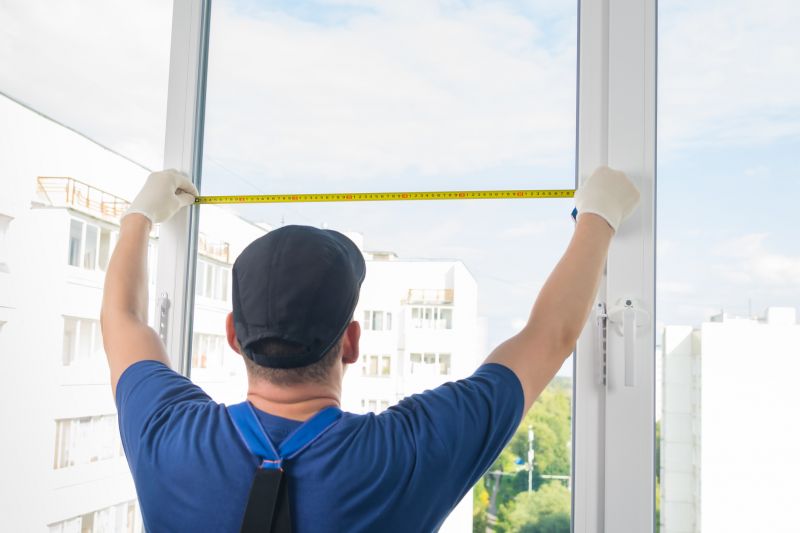
Little measurements that prevent headaches on Windows Installations day.

A 60-second routine that keeps Windows Installations looking new.

A frequent mistake in Windows Installations and how to dodge it.
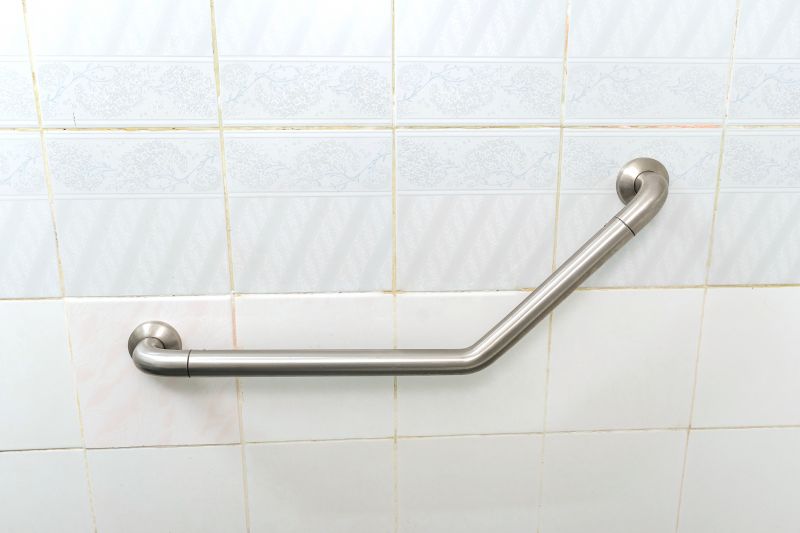
Small tweaks to make Windows Installations safer and easier to use.
| Season | Advantages |
|---|---|
| Spring | Moderate weather, longer daylight hours |
| Summer | Extended daylight, good for quick projects |
| Fall | Cool temperatures, less humidity |
| Winter | Potential delays due to cold, but suitable for indoor installations |
Choosing the right time for Windows installations depends on local climate conditions, project scope, and operational schedules. Proper planning can lead to cost savings, improved performance, and a seamless upgrade experience. Consulting with professionals can help identify the most advantageous period based on specific needs and environmental factors.
Ideal for colder months to avoid weather exposure.

Best during mild weather to prevent weather-related issues.
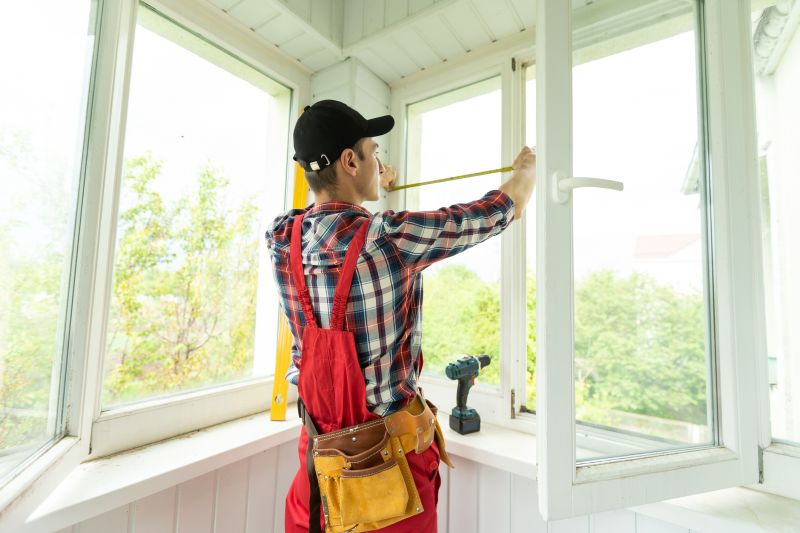
Timing installations to coincide with energy efficiency upgrades maximizes savings.
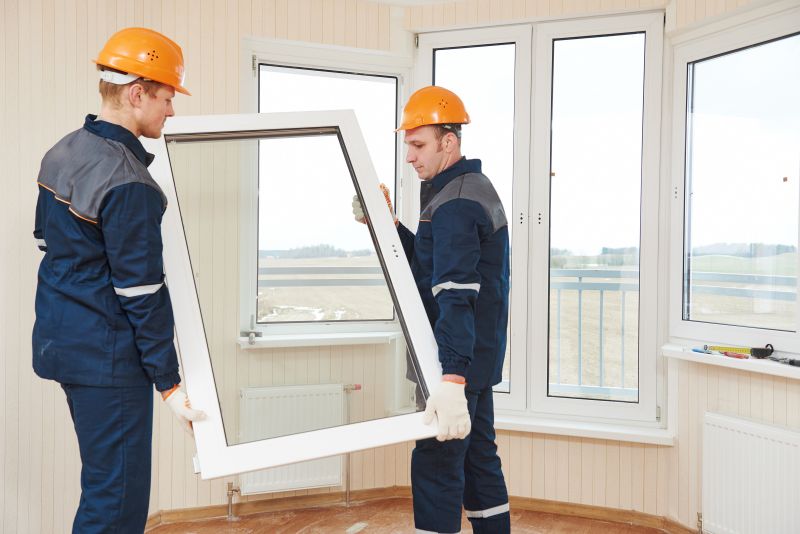
Lower-waste or water-saving choices for Windows Installations.
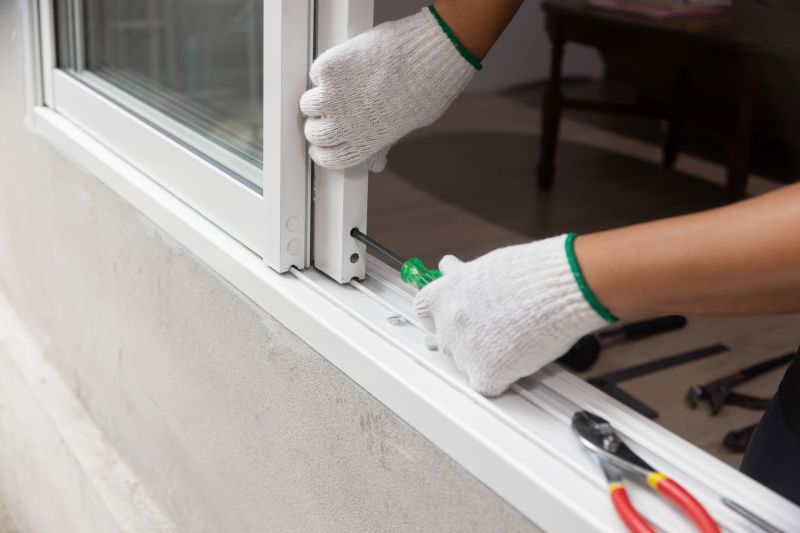
The short, realistic tool list for quality Windows Installations.
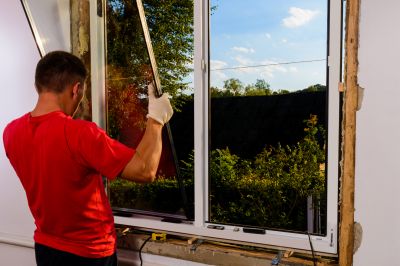
Rough timing from prep to clean-up for Windows Installations.

Quick checks and paperwork to keep after Windows Installations.

Examples that show the impact a good Windows Installations can make.
Interested in scheduling a Windows installation? Filling out the contact form provides an opportunity to discuss timing options tailored to specific needs and operational considerations. Proper scheduling can enhance the longevity and performance of new windows, ensuring long-term satisfaction.